About SaskOCD
SaskOCD is an OCD treatment and education service of STG Health Services Inc., focused on people in Saskatchewan. We aim to make the next step easier to understand when doubts, rituals or avoidance are taking over daily life.
- ERP-focused care
- Virtual across Saskatchewan
- No referral required to start intake
What you can expect from care
You and your clinician look at what triggers distress and what keeps the OCD cycle going.
Your clinician explains what you will practise, why it may help and how it connects with your goals.
Agreed practice between sessions helps you bring new responses into everyday life.
You review what is changing, what remains difficult and whether the plan needs to change.
STG approach: warm therapeutic care with a clear clinical purpose and reviewable plan.
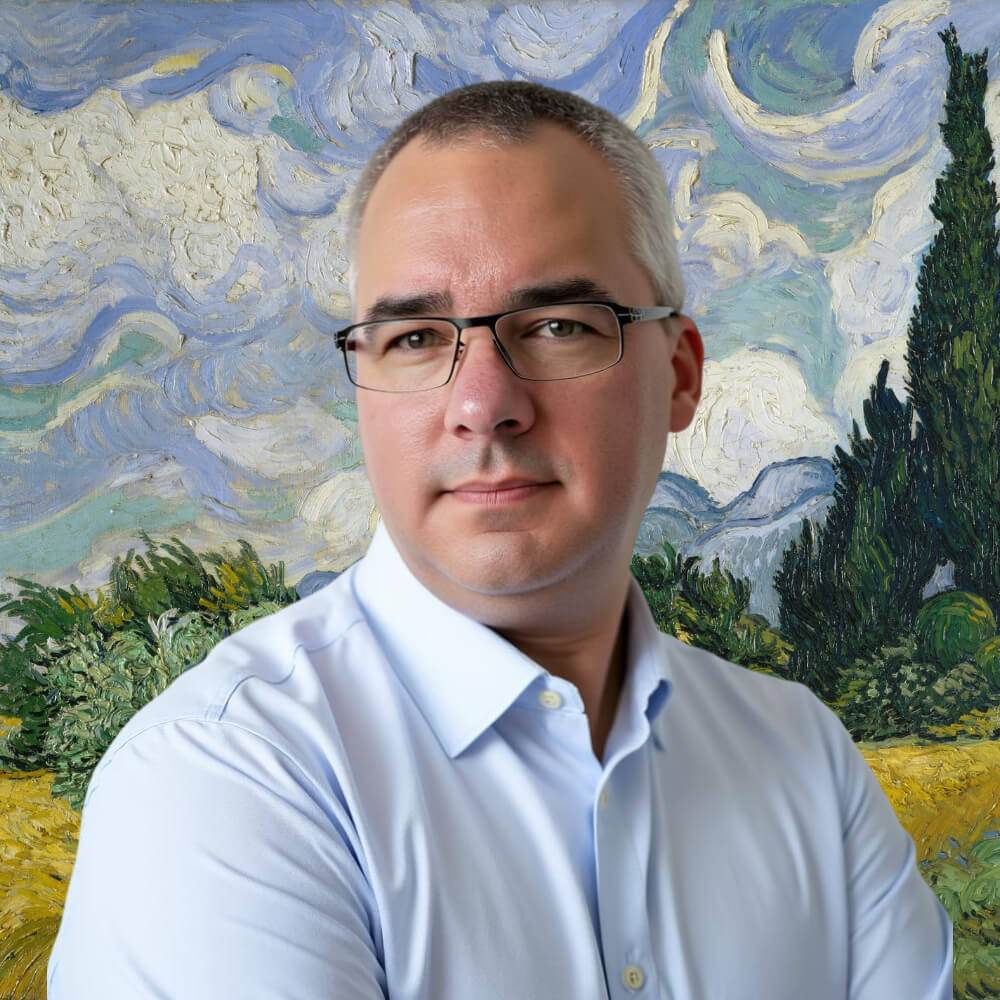
Care that understands OCD and the person living with it.
Living with OCD can be exhausting, confusing and hard to explain. You may have spent a long time trying to manage thoughts or rituals that other people cannot see. You do not need to have the perfect words before asking for help.
SaskOCD focuses on understanding your OCD pattern, planning treatment with you and making progress toward the activities and relationships that matter to you. Care may include ERP, attention to mental compulsions, coordination with medical care or a referral when another service better meets your needs.
Meet the clinical team
Our team includes psychotherapy and medical roles. The clinician involved in your care depends on your needs, each professional’s scope and the current service pathway.
Chris de Feijter, EdD, MACP
Chris is CEO, Clinical Counsellor and Psychotherapist. He is a Canadian Certified Counsellor (CCC #6333) and a Counselling Therapist with ACTA (#2641). His role includes psychotherapy and clinical treatment planning within his professional scope.
Manuel James, DNP
Manuel is a Nurse Practitioner with a Doctor of Nursing Practice (DNP). His role includes medical assessment and medication-related care within nurse practitioner scope, when available through the current STG pathway and appropriate for the client.
Mattea Koebernick, MACP
Mattea is a Mental Health Therapist. She provides psychotherapy within her role, training, supervision and assigned clinical scope. The team reviews which clinician is an appropriate fit for each person’s OCD-related needs.
How we approach OCD treatment
OCD care looks at how obsessions, compulsions and avoidance affect your life. Your treatment plan should explain what you are working on and give you room to ask questions along the way.
ERP is explicit
Clients can understand why exposure and response prevention are being used and what response the treatment is trying to change.
Mental rituals are assessed
Rumination, internal checking, self-reassurance and neutralizing are treated as potential compulsions rather than invisible background noise.
Reassurance is handled carefully
You deserve a kind response to distress. Your clinician also helps you notice when repeatedly answering an OCD doubt is becoming part of a ritual, and explores other ways to support you.
Progress is reviewed
Progress is reviewed through changes in rituals, avoidance and the things you want to do. If the plan is not helping, you and your clinician discuss what may need to change.
SaskOCD can coordinate when OCD is not the only issue.
OCD can occur alongside other mental or physical health concerns. When appropriate and with your consent, care can be coordinated with relevant STG services or other providers. The roles of each provider and the information being shared should be clear to you.
Referral elsewhere is part of good care
If crisis care, a different specialty service, another level of treatment or medical assessment is more appropriate, the goal is to make that direction clear rather than forcing every client into an OCD pathway.
- Clear scope
- Interprofessional coordination
- Specialty referrals
- Client choice
You do not need certainty before reaching out.
You can start by describing what has been difficult, even if you are unsure whether it is OCD. The next step is to discuss your needs and whether the service is a suitable fit.